Interested in Animal Assisted Therapy? Let’s begin…
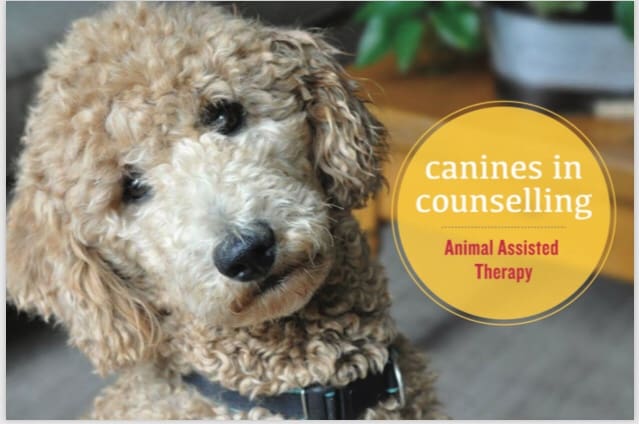
In today’s mental health landscape, innovative and holistic approaches are gaining popularity. One such approach is Animal Assisted Therapy (AAT), which incorporates animals, typically trained therapy dogs, into the therapeutic process. This form of therapy enhances traditional psychotherapy techniques, providing clients with emotional support, comfort, and a unique path toward healing. At Good Therapy, we recognize the value of AAT and are excited to offer sessions where clients can benefit from the presence of a therapy dog.
What is Animal Assisted Therapy?
Animal Assisted Therapy is a structured intervention that utilizes certified animals to help individuals achieve specific therapeutic goals. While AAT can involve various types of animals, therapy dogs are the most common, thanks to their gentle nature and ability to connect with people. The bond formed between clients and therapy animals can facilitate a safe, supportive environment where individuals may feel more comfortable expressing their thoughts and emotions.
Psychotherapists typically guide AAT sessions, integrating animal interactions into treatment plans tailored to each client’s needs. This cohesive approach allows clinicians to utilize the emotional responses elicited by animals to address anxiety, depression, trauma, and other mental health challenges.
Evidence-Based Benefits of Animal Assisted Therapy
Research supports the efficacy of Animal Assisted Therapy in several key areas:
1. Reducing Anxiety and Stress
Numerous studies have demonstrated that interacting with animals can lead to significant reductions in anxiety and stress levels. According to a study published in the Journal of Psychosocial Nursing and Mental Health Services, therapy dogs provide comfort and companionship that can lower cortisol levels (the stress hormone) and increase oxytocin (the bonding hormone) in clients. This biochemical response can be particularly beneficial during therapy sessions, allowing clients to feel more at ease and open up about their feelings.
2. Enhancing Social Engagement
For individuals who struggle with social interaction, AAT can serve as an excellent gateway to improving communication and social skills. A 2020 study published in Frontiers in Psychology found that therapy dogs can stimulate conversation and foster a more inviting environment, encouraging clients to engage in dialogue with both the therapist and the animal. This increased social interaction can lead to improved relationships and enhanced interpersonal skills over time.
3. Providing Emotional Support
The comforting presence of a therapy dog can provide substantial emotional support to clients. Many people experience a sense of unconditional love and acceptance from animals, which can help alleviate feelings of loneliness, depression, and low self-worth. A study in the International Journal of Environmental Research and Public Health indicates that the companionship offered by therapy animals can produce calming effects, making it easier for clients to process difficult emotions or traumatic experiences.
4. Facilitating Motivation and Engagement in Therapy
Struggling to stay motivated in therapy is common. However, incorporating AAT can provide an increased sense of purpose and excitement for clients. Engaging with a therapy dog can make attending sessions feel less daunting and more enjoyable. Research published in the International Journal of Therapy and Rehabilitation suggests that clients who participated in AAT reported higher levels of motivation and improved attendance rates, leading to more effective therapeutic outcomes.
5. Improving Coping Skills
Animal Assisted Therapy can also enhance coping mechanisms in clients. The structured interaction with a therapy dog can provide clients with opportunities to practice mindfulness and grounding techniques, allowing them to become more aware of their thoughts and emotions. According to a study in the Journal of Nervous and Mental Disease, clients engaging with therapy dogs experienced significant improvements in mindfulness and coping skills, which in turn contributed to better overall mental health.
The Role of Therapy Dogs in Psychotherapy
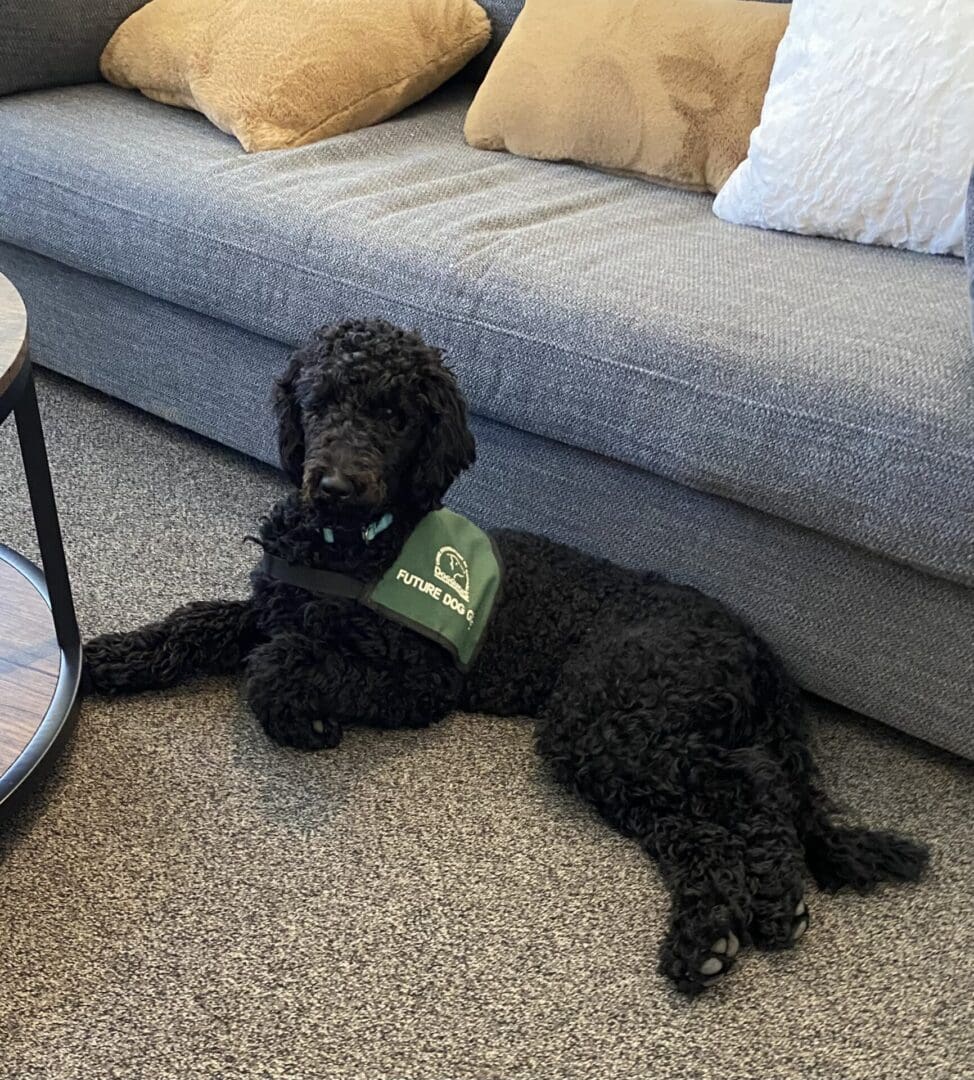
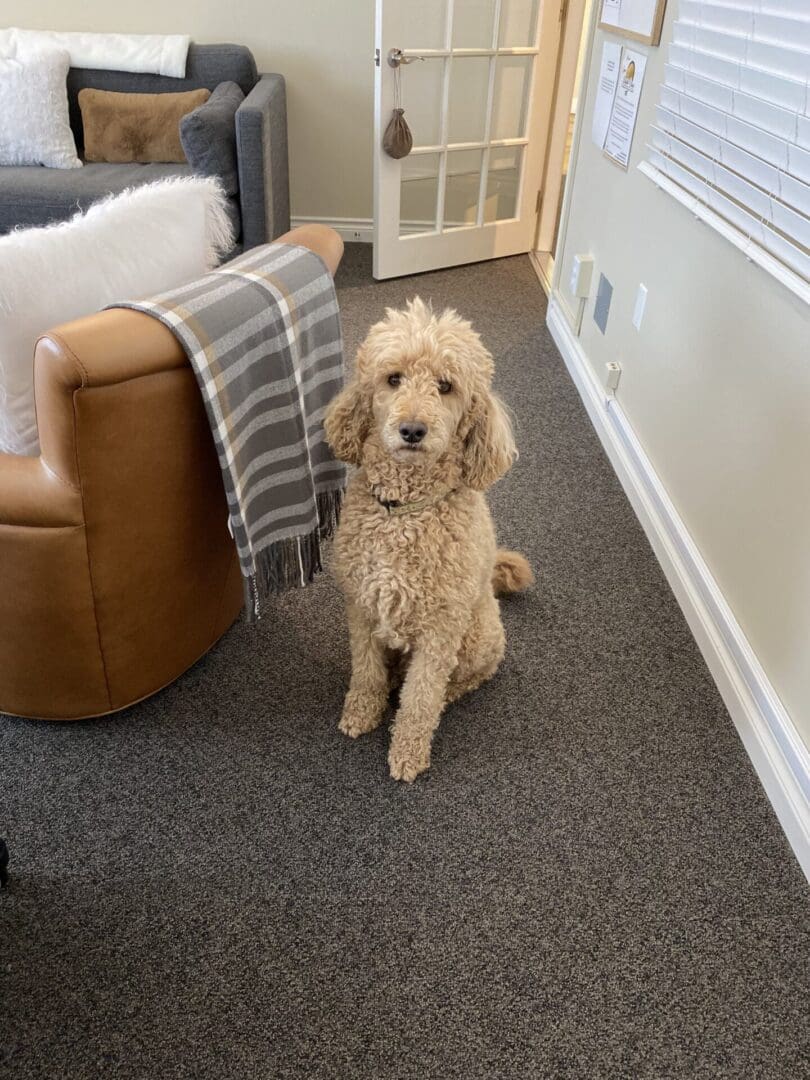
Therapy dogs play a vital role in facilitating AAT. These dogs are specially trained to be calm, friendly, and non-threatening, promoting a sense of safety for clients. Their presence can break down emotional barriers, allowing individuals to feel more comfortable discussing difficult topics.
Therapy dogs can assist in various therapeutic settings, whether they’re providing comfort during individual therapy sessions, participating in group therapy, or helping clients engage in self-expression through play and interaction. This versatility makes therapy dogs valuable assets in the psychiatric treatment process.
Good Therapy and Animal Assisted Therapy
At Good Therapy, we believe in the power of integrating innovative practices to support our clients’ mental health journeys. That’s why we are proud to offer Animal Assisted Therapy, where clients can experience the comfort and companionship of a therapy dog during their sessions. If you’re interested in participating in AAT, you can schedule an appointment on a day when the therapy dog is in the office.
Our welcoming clinic, located just blocks from beautiful downtown Stratford, provides a cozy, bright environment for therapy. Furthermore, ample free parking ensures that your visit is as convenient as it is compassionate.
Ready to explore the benefits of Animal Assisted Therapy? Contact us today to book your session and discover how the presence of a therapy dog can enhance your therapeutic experience.
Animal Assisted Therapy presents a unique and impactful approach to psychotherapy, enriching traditional treatment methods with the healing bond between humans and animals. Supported by evidence-based research, AAT offers a range of benefits, from reducing anxiety and enhancing social engagement to providing emotional support and improving coping skills. If you find yourself struggling with mental health challenges, consider reaching out to Good Therapy to learn more about how our animal-assisted services can help you on your journey to wellness. Embrace the warmth and companionship of a therapy dog and open the door to healing in a cozy, supportive environment.
For information on speaking with one of our compassionate therapists at Good Therapy, email us at info@goodtherapyworks.ca or call us at 226-221-0059 to schedule a FREE 15-minute Discovery Call.